Pecola's pregnancy
The Bluest EyePecola's pregnancy is the crisis around which the MacTeer sisters’ autumn 1941 hopes gather, and the painful measure of their inability to protect her. They believe their marigold seeds failed because Pecola was carrying her father’s child; in retrospect, the narrator sees that this explanation mistook coincidence for cause, while the baby’s death and the seeds’ failure mark the limits of the girls’ faith and the community’s care.
Background and the MacTeer household
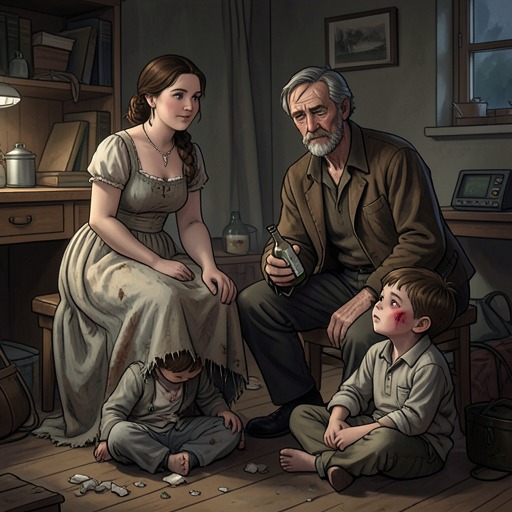
Two days before Pecola arrives, the sisters’ mother tells them that a girl with nowhere to go will be staying with the family for a few days, until the county decides what to do or the family is reunited. The county has placed Pecola in their home after her father burned down the Breedlove house and assaulted his wife, leaving the family outdoors. Their mother instructs the girls to be kind and not fight with Pecola. The arrangement brings the consequences of adult violence into the children’s home, where the sisters know that being outdoors is a particular terror.
Pecola’s pregnancy is not initially presented through a clinical or institutional account. The children experience the crisis through what they are told, what they fear, and the signs they believe they can interpret. The narrator’s later reflections make clear that their concern was real even when their understanding of cause and consequence was incomplete.
The sisters’ hope and mistaken explanation
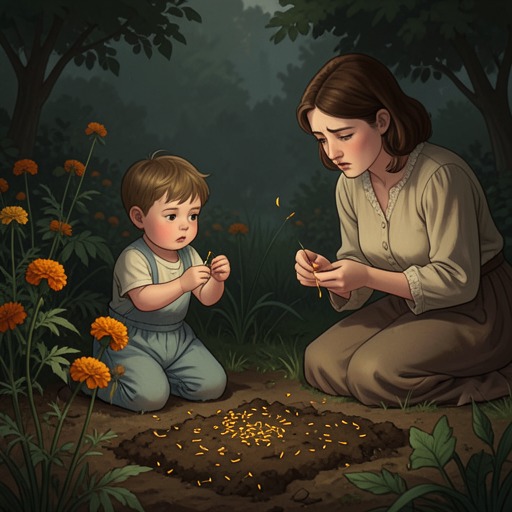
In autumn 1941, the sisters believe that there are no marigolds because Pecola is having her father’s baby. Their attention narrows around the child’s health and safe delivery: they are so concerned for her and the baby that they can think of little else. Planting seeds and saying the right words becomes their attempt to use a small, familiar act to influence an outcome beyond their power.
The narrator later corrects the girls’ explanation. A little examination, and less melancholy, would have shown that their seeds were not alone in failing to sprout: nobody’s did, including the gardens beside the lake. The failed flowers therefore did not signify that the sisters’ planting had caused or foretold the baby’s fate. Their interpretation reflects the urgency of their fear and the children’s belief in their own small magic, not an actual connection between Pecola’s pregnancy and the condition of the soil.
Pregnancy, vulnerability, and witnessing
The sisters’ concern takes place against the wider circumstances of Pecola’s vulnerability. Their home offers temporary shelter after the destruction of the Breedlove house, but the evidence of the family’s crisis is already present in the report that her father burned the house and assaulted her mother. The children can offer kindness and watch anxiously for the baby’s safe delivery; they cannot undo the violence or control what follows.
Elsewhere in the novel, an adult narrator recounts a childhood lesson about childbirth in which women are described as delivering quickly and without pain, in comparison with horses. That recollection underscores how children receive knowledge of birth through adult speech, but it does not give the sisters power over Pecola’s pregnancy. Their response is instead an effort to care through attention, hope, and the ritual of planting.
Outcome and retrospective meaning
The ending refuses the outcome the sisters had hoped their seeds might help secure. The seeds shrivel and die, and Pecola’s baby dies as well. The narrator also states that Cholly Breedlove is dead. What remains, in the narrator’s retrospective account, is Pecola and the unyielding earth; the girls’ innocence and faith have not proved more productive than the forces of lust and despair surrounding the family.
That final contrast revises the sisters’ childhood explanation without dismissing their compassion. The flowers did not fail because Pecola was pregnant, and their magical words could not guarantee her baby’s survival. The narrator locates the meaning of the episode not in a supernatural link between seeds and pregnancy, but in the distance between the children’s sincere wish to help and the actual outcome. The pregnancy makes visible how little protection the girls can provide, while the remembered planting preserves the tenderness and helplessness of their attempt.